


From the Front Desk: AI or a Ford Certified Technician?
Greetings from the front desk at Wareing Sturgis Ford. Sometimes just the term Artificial Intelligence, or AI, brings out strong feelings, both positive and negative.
But whether we realize it or not, AI is already part of many things we use every day. Digital assistants, navigation, weather forecasting, fraud protection, education, medical imaging, and the list goes on and on.
In fact, I just heard my boss ask Siri for the currency conversion rate between the U.S. dollar and the Canadian dollar.
AI can be a useful tool for finding information, saving time, and helping us make decisions. But what happens when we ask it to diagnose a problem with our Ford vehicle?
There’s a big difference between looking up what might be wrong with your vehicle and finding out what actually is wrong.
What Does AI Really Know About Your Ford?
AI can search through and summarize a tremendous amount of information. Ask about a warning light, a strange noise, or a trouble code, and it may give you an explanation in seconds.
But where is that information coming from?
Some answers may draw on published technical information, while others may reflect general automotive articles, repair discussions, or experiences shared in online forums. Not all of those sources are equally reliable, and not every answer applies to your particular vehicle.
Here’s something important to consider. Does the AI tool you’re using have access to Ford’s official service information? Can it connect to your vehicle through the Ford Diagnosis and Repair System (FDRS) or consult the Professional Technician System (PTS)?
A general-purpose AI chatbot doesn’t automatically have access to those systems or to the information stored in your vehicle.
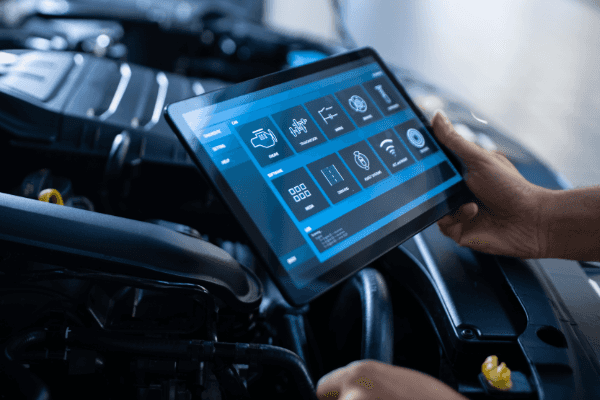
Did you know? Ford technicians use specialized diagnostic software and service information, including FDRS and PTS, to investigate vehicle problems, review repair procedures, and work with vehicle-specific information. These tools provide capabilities that a general online chatbot does not have.
Even a Ford Senior Master Certified technician with decades of hands-on experience relies on specialized tools and current service information when a repair calls for them.
There’s More to a Diagnosis Than a Trouble Code

There’s no doubt that AI can help a vehicle owner look up a code or better understand a symptom. The more accurate the vehicle information and the more specific the question, the more useful the answer may be.
But experienced technicians know something important: a trouble code or symptom is a clue, not necessarily a diagnosis.
Think about the things a technician can notice while examining or driving a vehicle.
What a Technician Can Detect
- Feel unusual vibrations
- Smell burning fluids
- Hear faint or intermittent sounds
- Notice problems that appear only during a test drive
- Observe wear, damage, leaks, and other physical conditions
What Experience and Diagnostic Tools Add
- Compare trouble codes with actual test results
- Review relevant service bulletins and repair information
- Consider the vehicle’s maintenance history
- Recognize patterns between seemingly unrelated symptoms
- Inspect components and test possible causes before recommending repairs
AI can help explain what these observations might mean when someone provides the information. But it can’t personally experience the vibration, smell the fluid, or inspect the worn component.
And it doesn’t have the hands-on judgment that comes from years of working on vehicles.
One Symptom, Several Possible Causes
Here’s where things can get tricky.
A single symptom or trouble code can point to several different problems. A warning light might seem to suggest one repair, but the actual cause could be somewhere else entirely.
Following an AI-generated suggestion without confirming the diagnosis could lead to replacing a perfectly good part, ordering one that doesn’t fit, or overlooking the real problem.
The important thing to remember: AI can help you understand a problem, but understanding the possibilities isn’t the same as knowing which repair your vehicle needs.
Using AI the Smart Way
That doesn’t mean AI has no place in vehicle maintenance. Far from it.
Looking up an unfamiliar dashboard message, researching a symptom, or watching a repair video can help you understand what may be happening. You might even record a strange sound or take a video to help explain the problem.
That information can be useful when talking with your service advisor or technician.
A helpful tip: When you notice a problem, make a note of when it happens. Does it occur when the engine is cold? While turning? At highway speeds? Only after driving for a while? Those details can help a technician narrow down the possibilities.
AI is an important tool for research and information, and technology continues to change the way vehicles are serviced. But it works best when the information it provides is paired with the training, experience, and judgment of a qualified technician.
So when an issue comes up with your vehicle, go ahead and look it up online. Ask questions. Record that unusual noise if you can. But before you start replacing parts or raising the hood, consider calling the Service Department at Wareing Sturgis Ford for guidance from an experienced Ford Certified Technician.
Thanks for reading, and we look forward to helping you make the best repair decision for your vehicle.

0 comment(s) so far on From the Front Desk: AI or a Ford Certified Technician?