
Ford F-150 Generations Through the Years: A Complete Evolution Timeline
September 5th, 2025 by

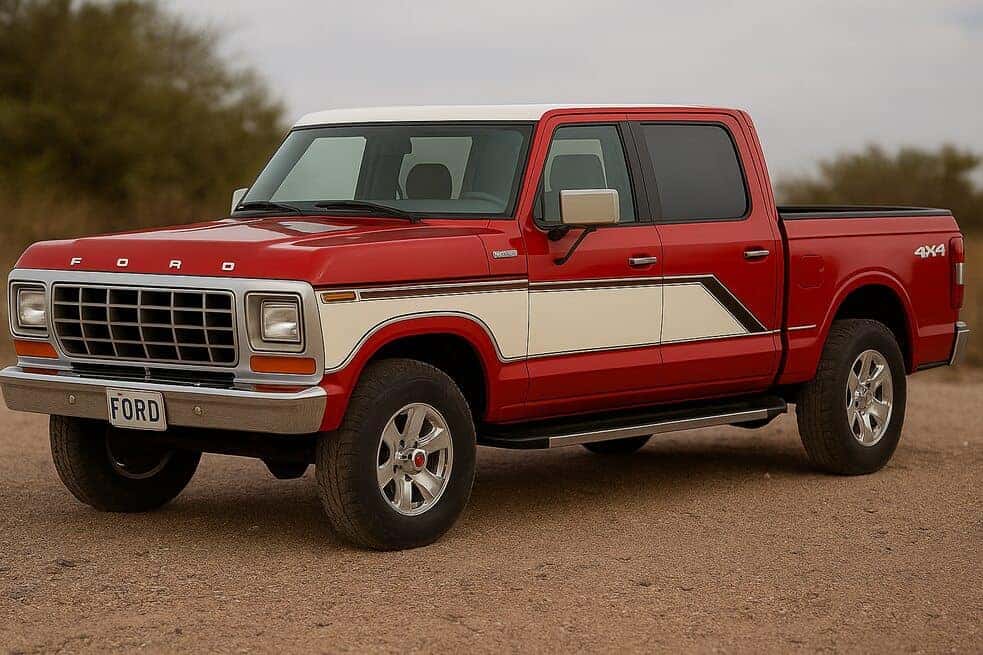
Ford F-150 generations collage at Sturgis Ford

Ford F-150 Generations Through the Years

America’s favorite truck has seen 14 generations of innovation. Here’s the full story.

Browse F-150 Inventory

Trying to navigate the maze of Ford F-150 generations can leave even seasoned truck enthusiasts scratching their heads. With 14 generations spanning 77 years, countless engine options, and major design overhauls that completely transformed the truck’s identity, understanding which F-150 by year offers the features you need isn’t exactly straightforward.

Here’s the reality: not all F-150 generations are created equal. Some years introduced game-changing innovations like the first year for aluminum F-150 construction in 2015, while others refined existing formulas to perfection.

The square body era brought rugged durability, modern generations deliver unmatched technology, and certain model years consistently rank as the best F-150 generation for reliability and performance.

This comprehensive guide cuts through the confusion, providing you with the essential knowledge to understand exactly how each generation evolved and why these changes matter for today’s truck buyers.
The Birth of an Icon: F-Series Origins
(1948-1952)

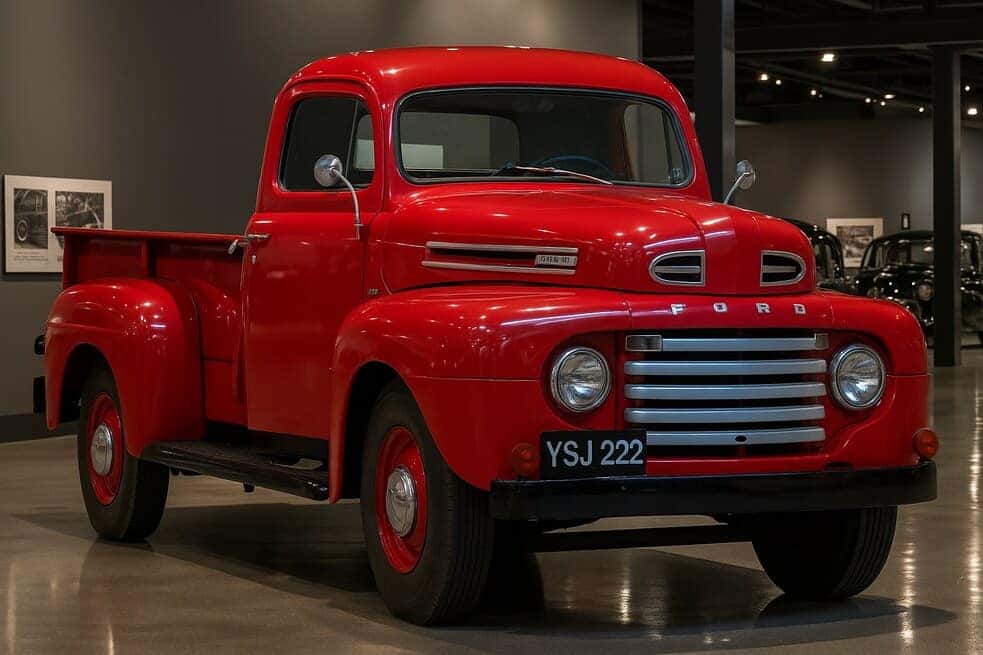
Early Ford F-1 inline-six and V8 era

The Ford F-150’s story doesn’t actually begin with the F-150 name. In 1948, Ford launched the F-Series truck lineup, introducing the F-1 (half-ton), F-2 (three-quarter-ton), and F-3 (one-ton) models. These first-generation trucks established the foundation that would eventually evolve into the F-150 generations we know today.

The original F-1 featured a 95-horsepower inline-six engine and a 100-horsepower V8 engine option, and a design philosophy focused purely on utility and durability. Ford positioned these trucks as genuine workhorses, designed to handle the demanding needs of post-war America’s booming construction and agriculture industries.

First Generation Evolution
(1953-1956)
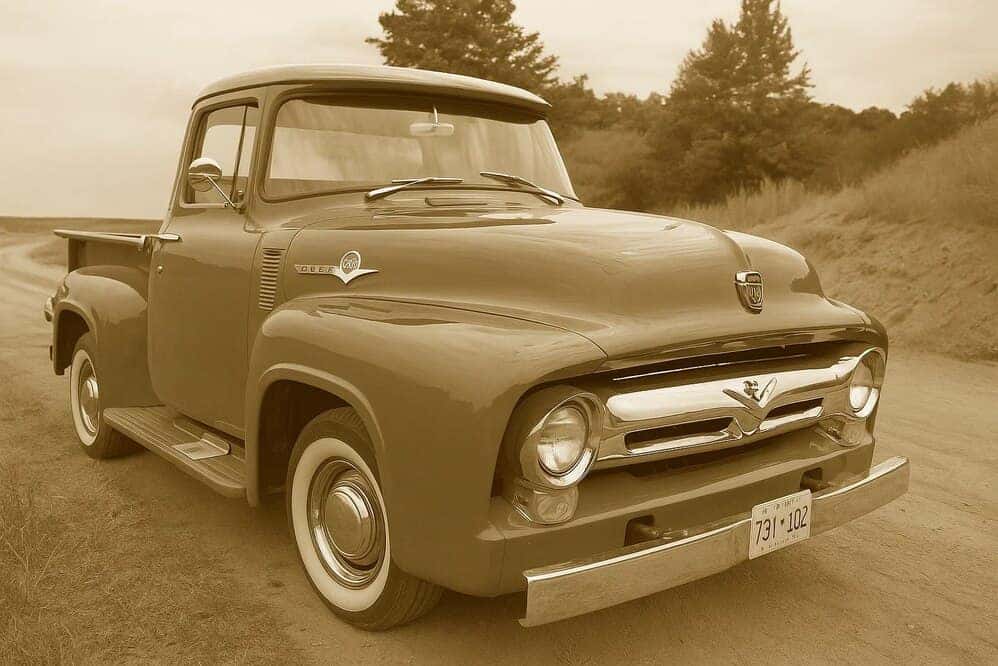
1953 to 1956 Ford F-Series improvements

The second-generation F-Series introduced significant improvements in power and styling. Ford increased engine displacement and refined the truck’s proportions, creating a more balanced appearance that would influence Ford F-150 generations for decades to come.

Key improvements included enhanced suspension systems, larger cab windows for better visibility, and optional automatic transmission – features that transformed the truck from a purely utilitarian vehicle into something more comfortable for daily driving.
The Foundation Years
(1957-1966)

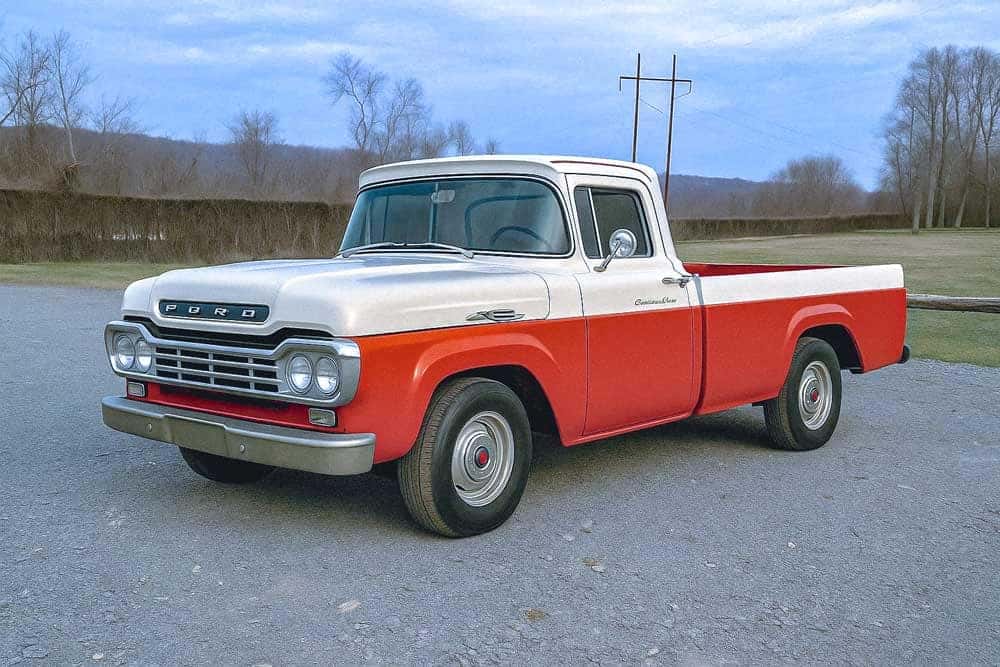
Third and fourth gen Ford F-Series design hallmarks

During the third and fourth generations, Ford continued refining the F-Series formula. These years established many design elements that would become signature Ford F-150 characteristics, including the distinctive grille designs and proportions that truck enthusiasts still recognize today.

The introduction of unibody construction and improved engine options during this period laid the groundwork for the more sophisticated trucks that would follow in later F-150 generations.

Enter the F-150 Name – Sixth Generation
(1975-1979)
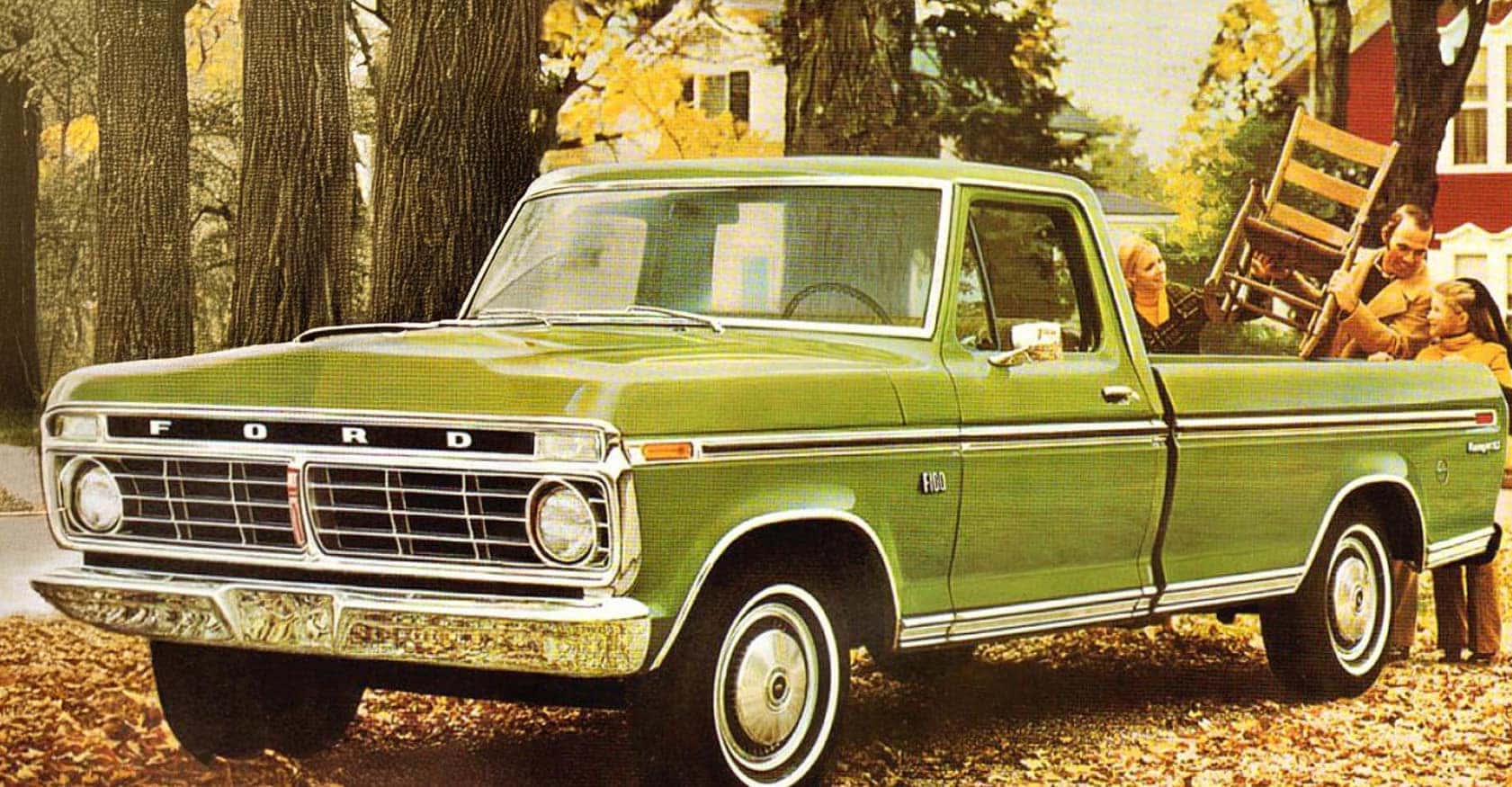
1975 Ford F-150 debut models

The F-150 name officially debuted in 1975 as Ford’s response to changing emissions regulations and customer demands for a truck that fit between the F-100 and F-250. This marked the beginning of what we now consider the true Ford F-150 generations.

The sixth generation introduced the F-150 with a focus on improved fuel economy without sacrificing the capability that made Ford trucks popular. Available engines included inline-six and V8 options, establishing the performance hierarchy that would define future F-150 generations.
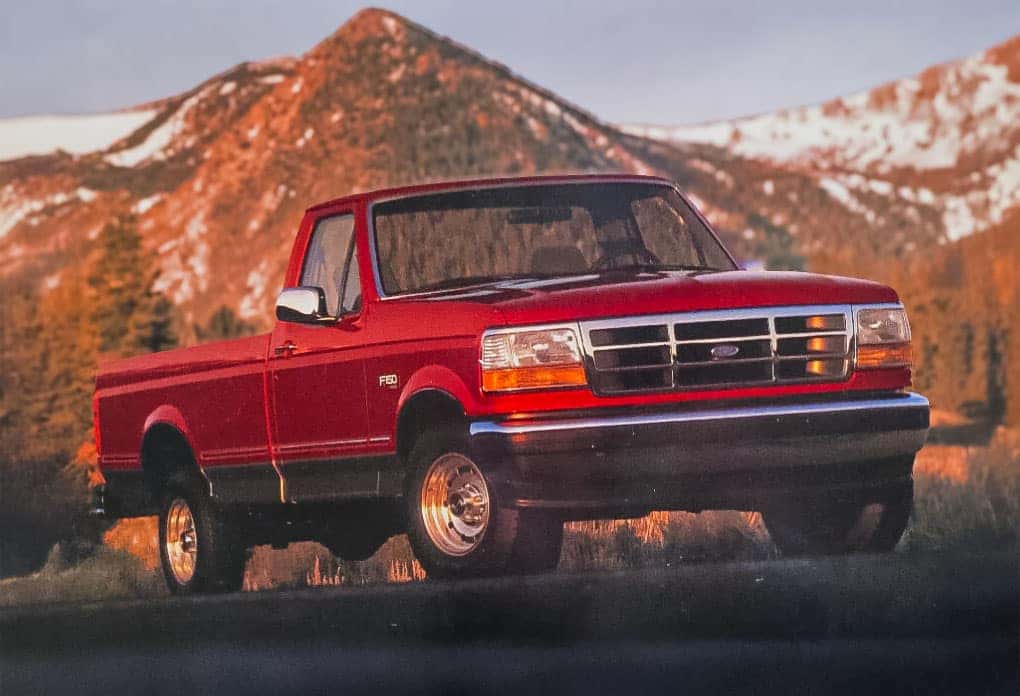
The Square Body Era Begins – Seventh Generation
(1980-1986)

Square body Ford F-150 rectangular headlights

The seventh generation introduced the iconic F-150 square body design that many enthusiasts consider the most recognizable Ford truck styling ever created. This generation marked a dramatic shift toward more angular, geometric bodywork that projected strength and capability.

Key Features of the Square Body F-150:

  • Distinctive rectangular headlights
  • Sharp, defined body lines
  • Improved aerodynamics despite the angular design
  • Enhanced interior comfort and space

The square body design philosophy influenced Ford F-150 styling for years to come, and many collectors still consider this era to represent the peak of classic American truck design.

Refined Square Body Design – Eighth Generation
(1987-1991)
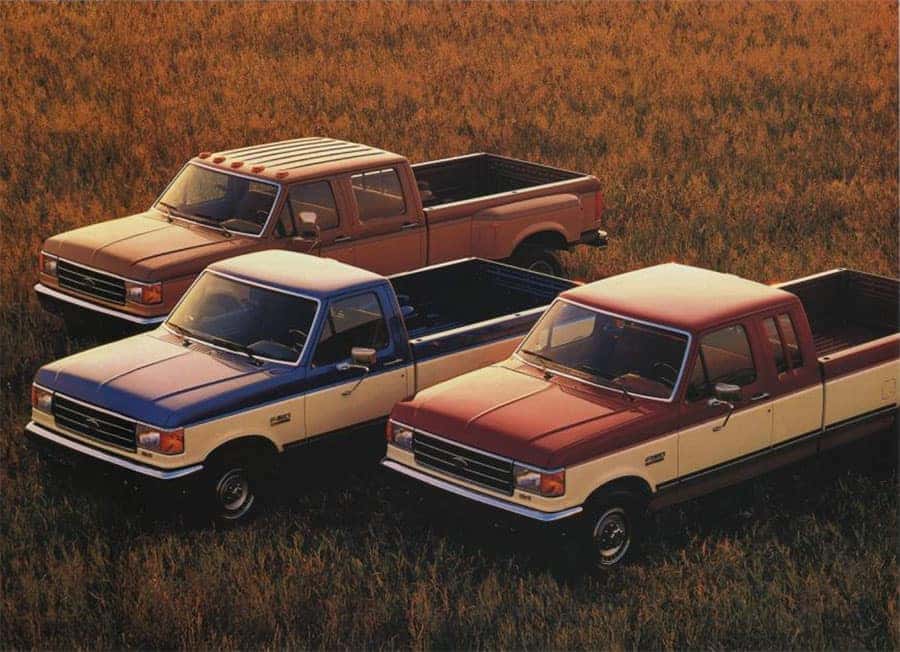
Late 80s Ford F-150 refined aerodynamics

The eighth generation refined the F-150 square body concept with improved aerodynamics and updated interior features. Ford introduced fuel injection across more engine options, significantly improving performance and fuel economy.

This generation also expanded Ford F-150 body styles, offering Regular Cab, SuperCab, and various bed length configurations that allowed customers to customize their trucks for specific needs.
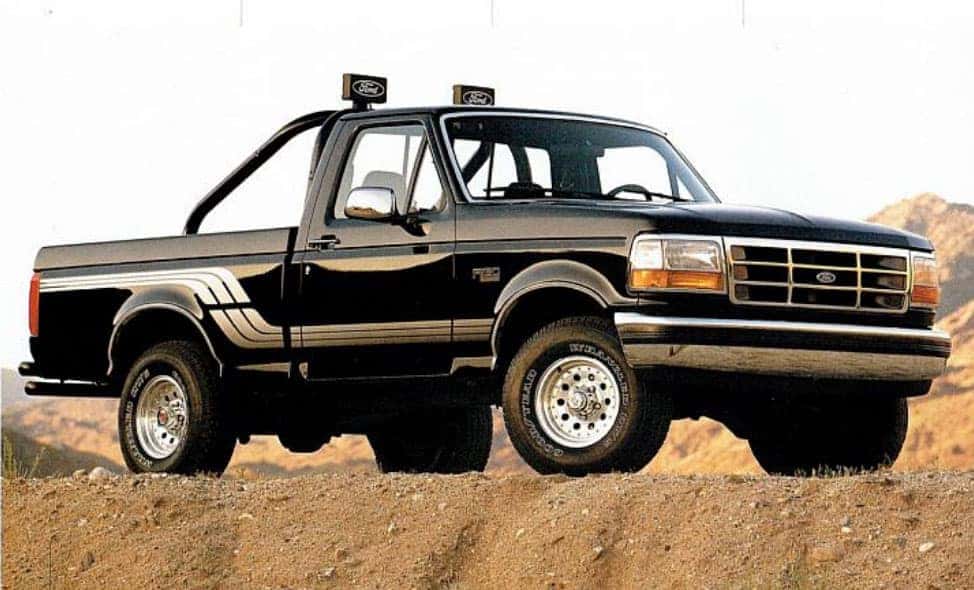
The Final Square Body Evolution – Ninth Generation
(1992-1997)

1990s Ford F-150 final square body styling

The ninth generation represented the final evolution of the classic F-150 square body design. Ford made significant improvements to build quality, interior refinement, and available technology while maintaining the rugged, angular styling that defined this era.

Notable improvements included:

  • Enhanced safety features
  • Improved ride quality
  • More powerful engine options
  • Expanded trim level availability

Many truck enthusiasts consider the late square body models from this generation to offer the best balance of classic styling and modern reliability.

The Modern Era Begins – Tenth Generation
(1997-2003)
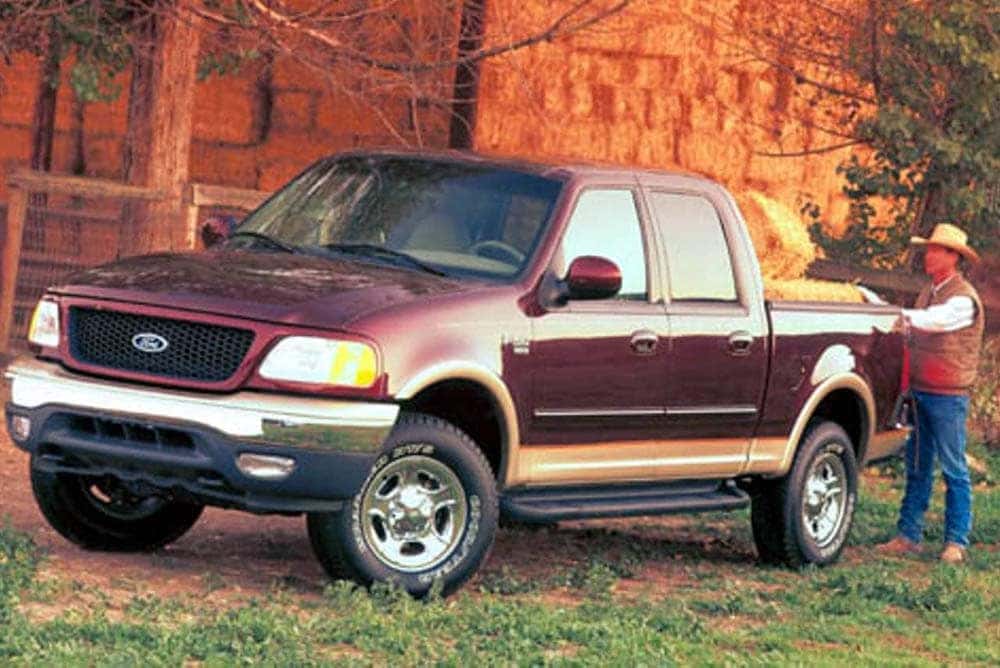
Tenth-gen Ford F-150 more aerodynamic

The tenth generation marked Ford’s transition away from the square body design toward more aerodynamic, consumer-friendly styling. This generation introduced significant improvements in interior comfort, ride quality, and available technology.

Ford expanded Ford F-150 body styles during this period, recognizing that trucks were increasingly serving as family vehicles rather than purely work tools. The SuperCrew cab option provided genuine four-door functionality, transforming the F-150’s appeal to suburban buyers.
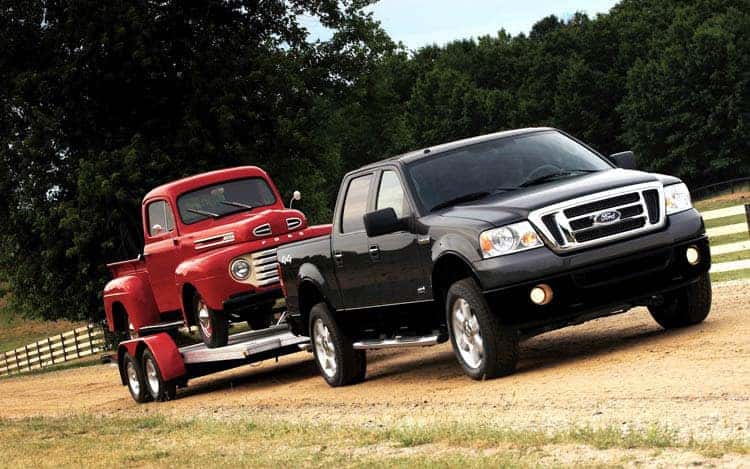
Technological Advancement – Eleventh Generation
(2004-2008)

Eleventh-gen Ford F-150 interior and towing focus

The eleventh-generation Ford F-150 introduced sophisticated new features while maintaining the truck’s core capability advantages. Ford focused on improving build quality, interior materials, and available technology options.

This generation established many of the technology and comfort expectations that would define subsequent F-150 generations, including advanced audio systems, improved climate control, and enhanced towing capabilities.

The EcoBoost Revolution – Twelfth Generation
(2009-2014)
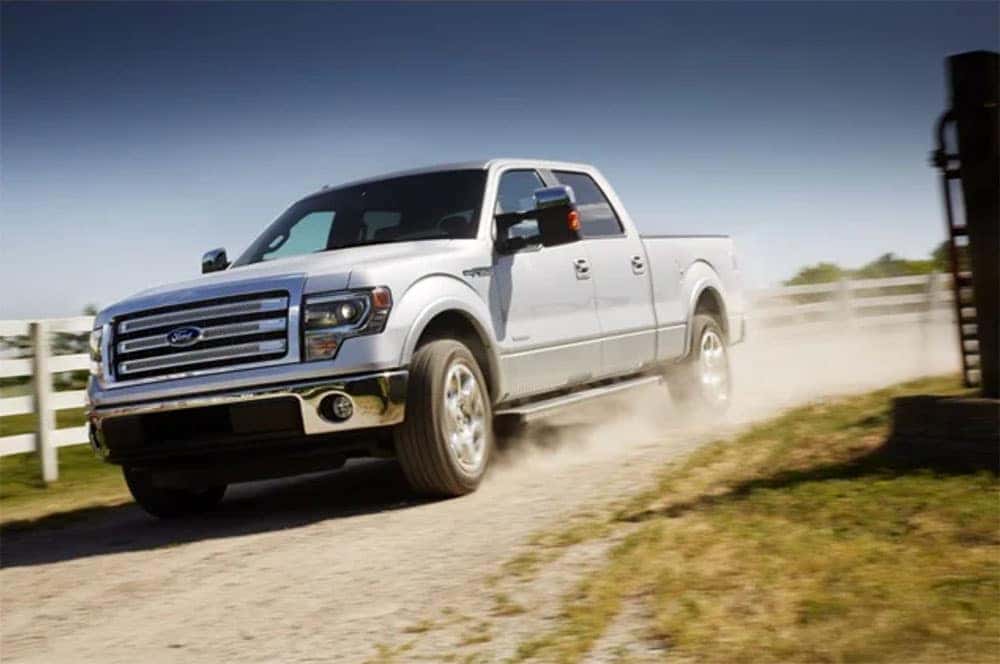
3.5L EcoBoost V6 under hood

The twelfth generation introduced one of the most significant technological advances in Ford F-150 generations: EcoBoost turbocharged engine technology. The twin-turbocharged 3.5L V6 EcoBoost engine delivered V8 power with improved fuel economy, fundamentally changing customer expectations for truck performance.

EcoBoost Impact on F-150 Generations:

  • 365 horsepower and 420 lb-ft of torque from a V6
  • Significantly improved fuel economy
  • Reduced emissions without sacrificing performance
  • Set the stage for future engine innovations

This generation also improved interior quality and available features, positioning the F-150 as a legitimate luxury vehicle option rather than just a work truck.
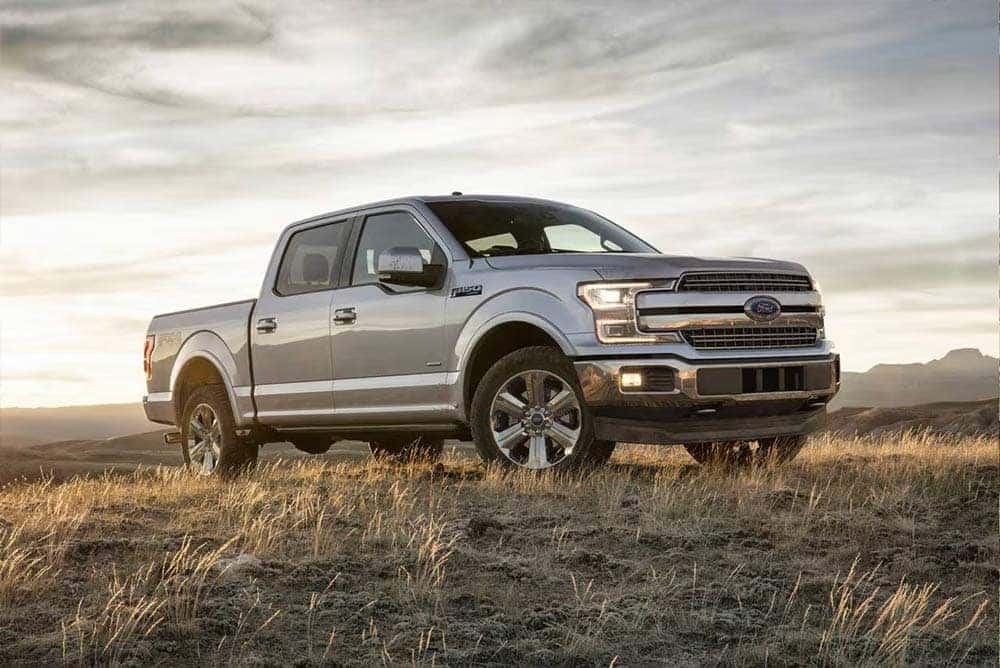
The Aluminum Revolution – Thirteenth Generation
(2015-2020)

2018 Ford F150

The thirteenth generation represents perhaps the most dramatic change in Ford F-150 history. 2015 marked the first year for aluminum F-150 body construction, with Ford replacing traditional steel bodywork with military-grade aluminum alloy.

Why the Aluminum F-150 Mattered:

  • First year for aluminum F-150: 2015 model year
  • Weight reduction of nearly 700 pounds
  • Improved fuel economy and payload capacity
  • Enhanced corrosion resistance
  • Maintained structural strength and safety ratings

The aluminum transition required Ford to retrain technicians, redesign manufacturing processes, and educate consumers about the benefits of the new construction. Despite initial skepticism, the aluminum F-150 proved its durability and became the foundation for all subsequent Ford F-150 generations.

This generation also introduced:

  • 10-speed automatic transmission
  • Advanced driver assistance features
  • Improved EcoBoost engine options
  • Enhanced Ford F-150 body styles and trim levels

Current Generation Excellence – Fourteenth Generation
(2021-Present)
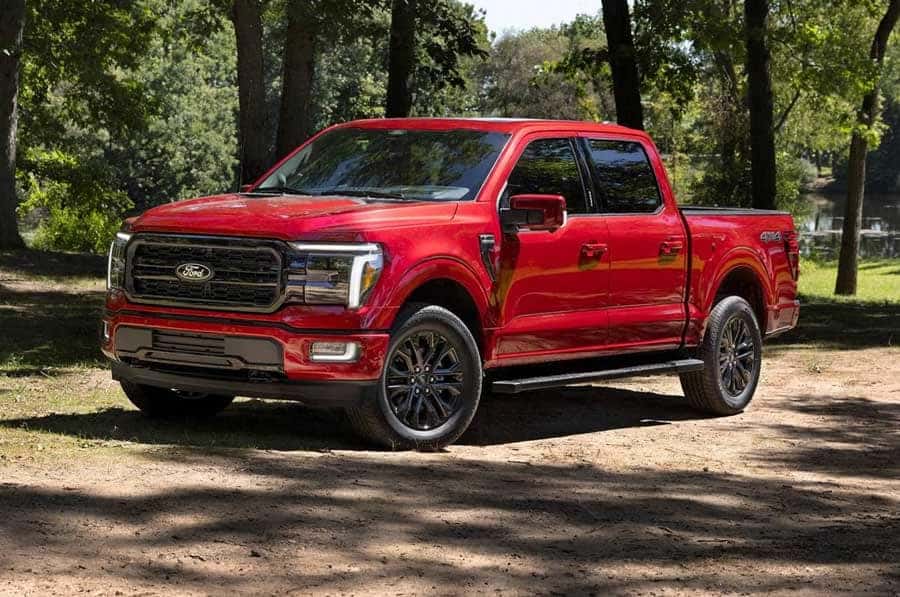
PowerBoost hybrid and Pro Power Onboard features

The current fourteenth-generation Ford F-150 builds upon the aluminum foundation while introducing hybrid technology and advanced connectivity features. Ford introduced the PowerBoost hybrid system, combining a 3.5L EcoBoost V6 with electric motor assistance.

Current Generation Highlights:

  • PowerBoost hybrid: 430 horsepower and 570 lb-ft of torque
  • Pro Power Onboard: Up to 7.2kW of exportable power
  • 12-inch touchscreen with SYNC 4A
  • Over-the-air update capability
  • Advanced towing and payload capabilities

The current generation also includes the all-electric F-150 Lightning, representing Ford’s vision for the future of F-150 generations.

Understanding F-150 Body Styles Through the Generations

Regular Cab vs SuperCab vs SuperCrew diagram

Ford F-150 body styles have evolved significantly throughout the generations, adapting to changing customer needs and preferences:

Regular Cab:

The traditional single-row configuration, popular in early F-150 generations and still available today for maximum cargo space and affordability.

SuperCab:

Introduced in later generations, offering additional interior storage and occasional rear seating while maintaining a smaller footprint than four-door models.

SuperCrew:

The four-door configuration that transformed the Ford F-150 into a genuine family vehicle, featuring full-size rear doors and seating for up to six passengers.

Each Ford F-150 generation has refined these body styles, improving interior space, comfort, and functionality while maintaining the core advantages that make each configuration popular with different customer segments.

Which is the Best F-150 Generation?
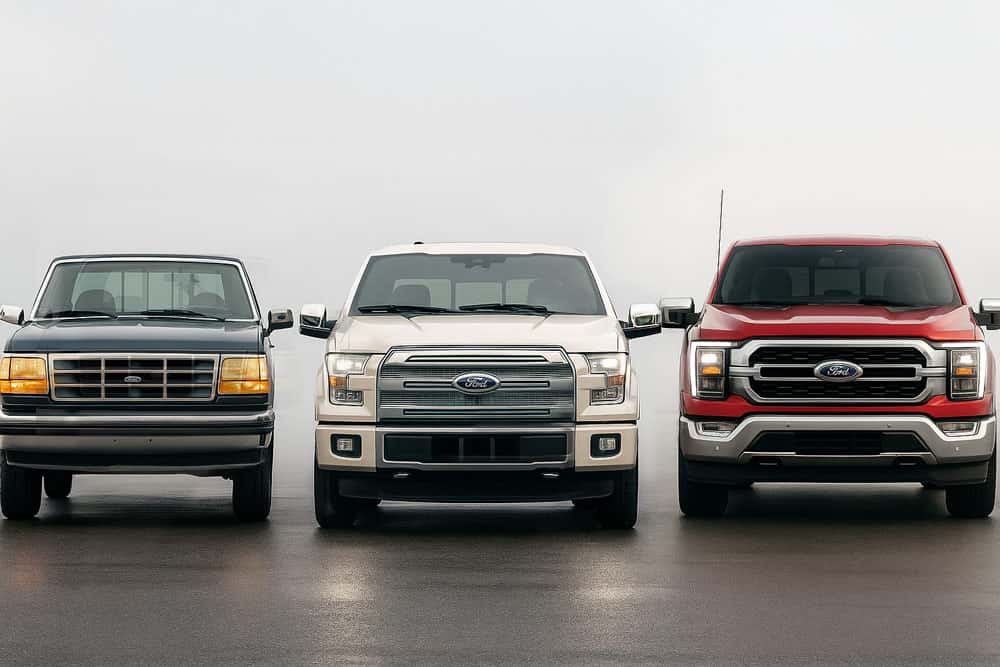
Best F-150 generations lineup

Determining the best F-150 generation depends on your specific needs and preferences:

For Classic Styling:

The F-150 square body generations (1980-1997) offer iconic design and straightforward mechanical systems.

For Modern Capability:

The aluminum generations (2015-present) provide the best combination of strength, efficiency, and technology.

For Value and Reliability:

The tenth and eleventh generations (1997-2008) offer proven durability with modern conveniences at attractive used truck prices.

For Cutting-Edge Technology:

The current fourteenth generation (2021-present) delivers the most advanced features, hybrid technology, and connectivity options.

The best F-150 generation ultimately depends on balancing your priorities between classic appeal, modern features, capability requirements, and budget considerations.
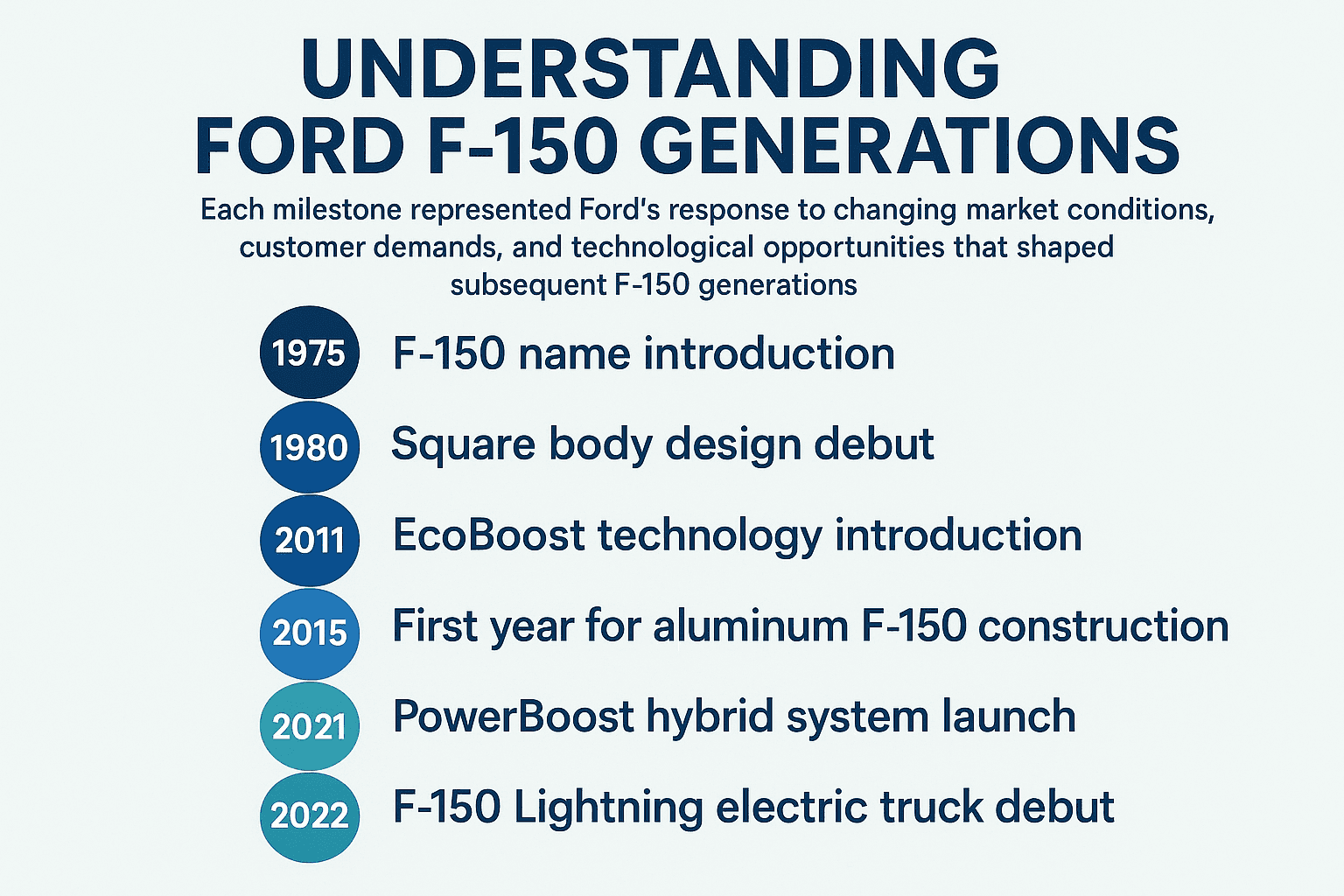
Key Milestones in F-150 Generations

F-150 key milestones timeline graphic

Understanding these critical moments helps explain how Ford F-150 generations evolved:

1975: F-150 name introduction

1980: Square body design debut

2011: EcoBoost technology introduction

2015: First year for aluminum F-150 construction

2021: PowerBoost hybrid system launch

2022: F-150 Lightning electric truck debut

Each milestone represented Ford’s response to changing market conditions, customer demands, and technological opportunities that shaped subsequent F-150 generations.

The Evolution of F-150 Capability
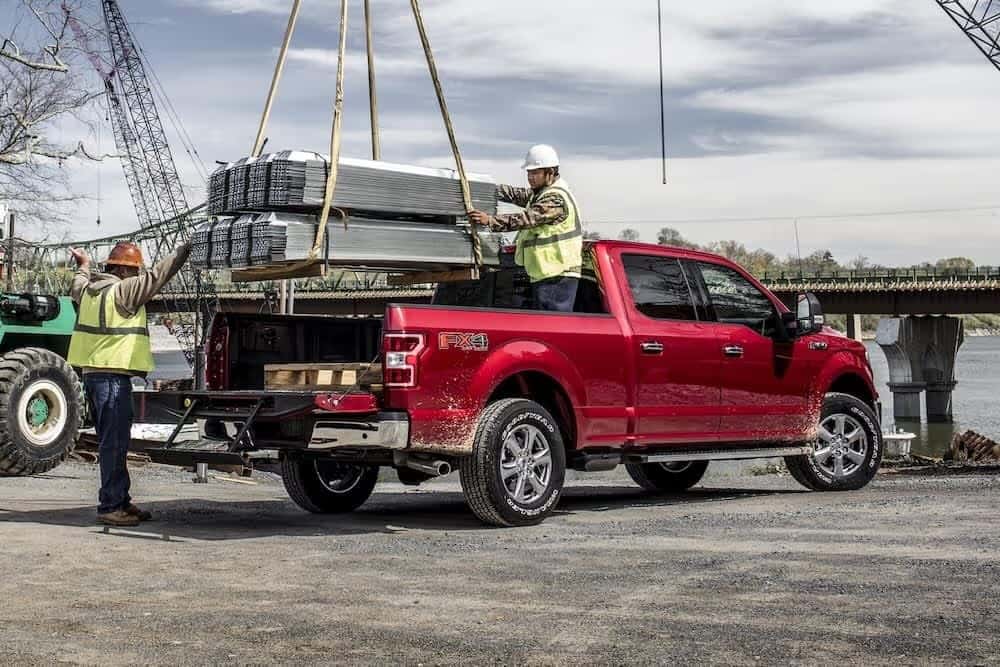
a red ford truck being loaded

Throughout all Ford F-150 generations, capability improvements have remained a constant focus:

Towing Capacity Evolution:

  • Early generations: 2,000-5,000 pounds
  • Square body era: 5,000-7,500 pounds
  • Modern generations: 8,000-14,000 pounds

Payload Improvements:

  • Traditional steel construction: 1,500-2,000 pounds
  • Aluminum F-150: Up to 3,325 pounds

These improvements demonstrate how each generation of Ford F-150 has expanded the truck’s versatility and capability while maintaining the durability that made the nameplate successful. The maximum towing and payload capacities are contingent upon vehicle configuration and the selection of optional packages.
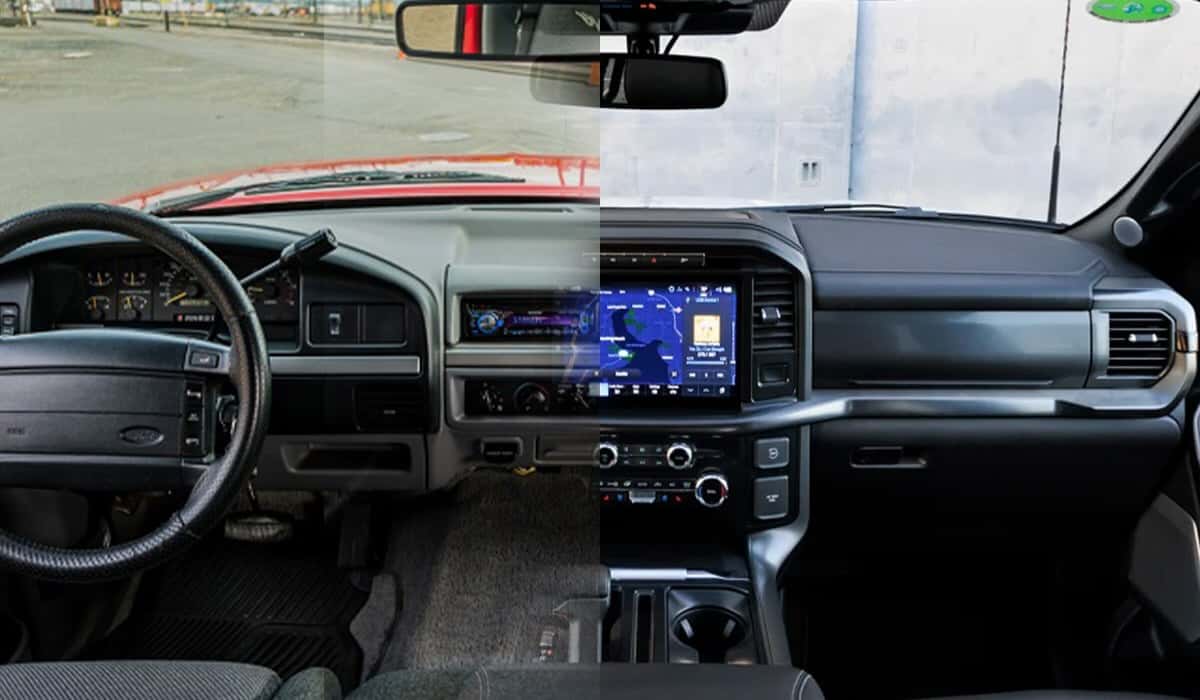
Technology Integration Across Generations

Technology evolution across F-150

Ford F-150 generations have consistently introduced new technologies:

Early Generations (1975-1990):

  • Basic AM/FM radios
  • Manual transmissions predominant
  • Minimal comfort features

Middle Generations (1991-2014):

  • CD players and premium audio
  • Automatic transmissions standard
  • Power accessories and cruise control

Modern Generations (2015-Present):

  • SYNC infotainment systems
  • Advanced driver assistance
  • Smartphone integration
  • Over-the-air updates

This technological progression shows how F-150 generations have adapted to changing consumer expectations while maintaining core truck functionality.

Frequently Asked Questions

How many generations of F-150 are there?

There have been 14 distinct Ford F-150 generations since the F-150 name was introduced in 1975, though the F-Series lineage dates back to 1948.

What generation F-150 is the best?

The best F-150 generation depends on your needs. The square body generations (1980-1997) offer classic styling and simplicity, while modern aluminum generations (2015-present) provide superior capability and efficiency.

Does the F-150 have a generator?

Yes, current Ford F-150 models offer Pro Power Onboard, providing up to 7.2kW of electrical power generation capability.

What year did Ford start using aluminum in the F-150?

Ford introduced aluminum body construction in the 2015 model year, marking the first year for aluminum F-150 construction. This was part of the thirteenth generation redesign.

What is the difference between F-150 body styles?

Regular Cab offers maximum cargo space with single-row seating. SuperCab provides additional interior storage with occasional rear seating. SuperCrew features full four-door functionality with seating for up to six passengers.

When did Ford introduce EcoBoost engines in the F-150?

Ford introduced EcoBoost technology in the 2011 model year (twelfth generation) with the twin-turbocharged 3.5L V6 engine, delivering V8 power with improved fuel economy.

What is the current F-150 generation?

The current fourteenth generation (2021-present) features PowerBoost hybrid technology, Pro Power Onboard, and advanced connectivity features including over-the-air updates.

How much can a modern F-150 tow?

Modern F-150 generations can tow up to 14,000 pounds, with specific towing capacity depending on engine choice, configuration, and optional packages.

What makes the square body F-150 generations special?

The square body generations (1980-1997) are known for their iconic angular design, distinctive rectangular headlights, and straightforward mechanical systems that many enthusiasts consider the peak of classic American truck styling.

Is there an electric F-150?

Yes, the F-150 Lightning debuted in 2022 as Ford’s all-electric truck, representing the future direction of F-150 generations with zero-emission capability and advanced electric vehicle technology.

Find Your Ford F-150 at Sturgis Ford

Questions about which F-150 generation fits your specific needs? Our Ford specialists understand the nuances of every generation and can help you compare F-150 by year options.

Call now for guidance on trims, towing, tech, and ownership. We will help you land the right truck for your work and weekends.

�� Call to Schedule

About Sturgis Ford

Factory-authorized Ford dealership serving the Black Hills with OEM sales, service, and parts. Our team includes Ford-trained technicians and product specialists focused on clear, helpful guidance.

Contact Information

Address: 1 Ford Place, Sturgis, SD 57785, United States

Phone: 605-347-3662

Website: sturgisford.com

Service Area: Sturgis, Spearfish, Rapid City, Deadwood, and the Black Hills region.

Quick Links

Author: Sturgis Ford Product Team

Last updated: September 3, 2025

Helpful Links: New F-150 · Used Trucks · Service · Parts